


Do Your Nightmares Come from Sleep Apnea?
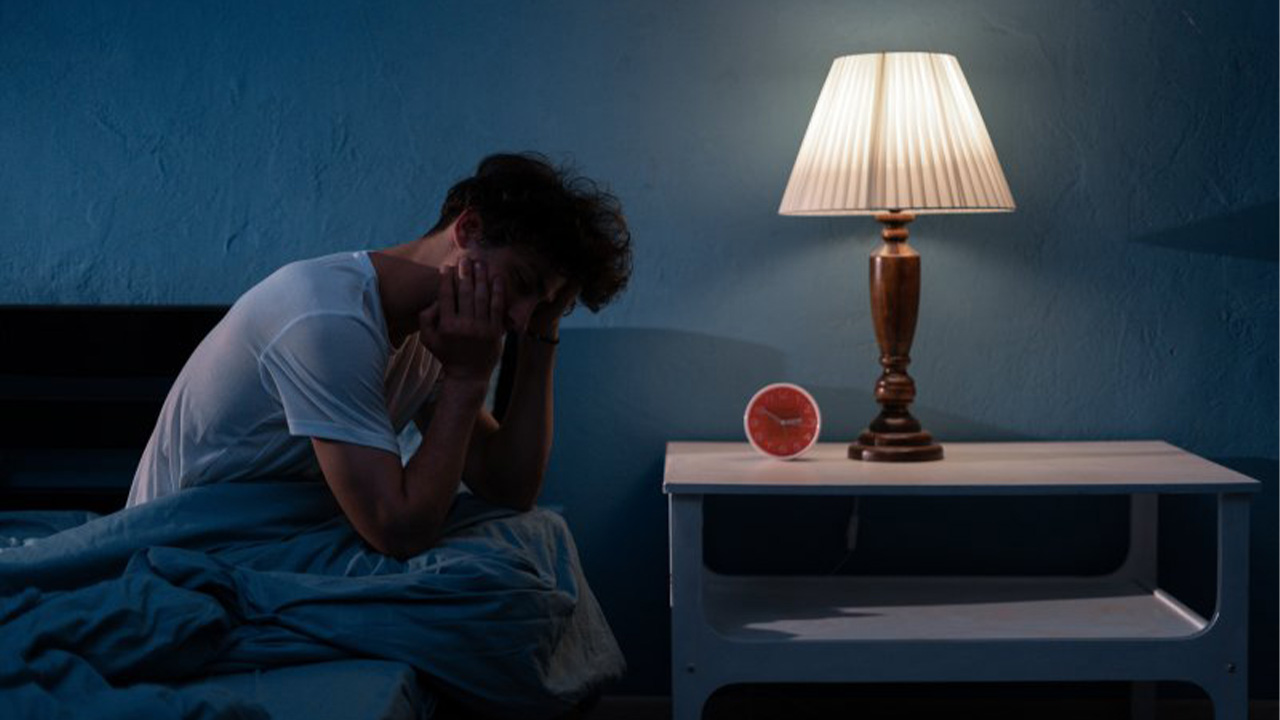
When you wake suddenly in the middle of the night gasping and a rapid heartbeat, you can feel terrified, stressed out, and exhausted. But are you really waking up because of a horrible nightmare, because you might have sleep apnea, or both? Is dreaming possible if your sleep is constantly interrupted? How can you treat sleep apnea as well as avoid bad dreams? You’ll find the answers in the content below, and it may be simpler than you think.
Can You Dream If You Have Sleep Apnea?
Depending on the frequency of your episodes, sleep apnea may prevent you from reaching the deep sleep stage, when dreams most often occur. Rapid eye movement (REM) helps the brain dream, and for some, to remember the dream after waking. In other words, those with sleep apnea usually have few dreams they can recall. However, some sleep apnea sufferers can still dream every now and then, but this deep brain activity may turn sour into nightmares when paired up with this condition.
How Can Sleep Apnea Give You Nightmares?
If you do achieve REM sleep and start to have an apnea episode where you struggle to breathe, you may dream that you are suffocating or drowning. Although you can tell yourself they are just nightmares, they can seem vivid and realistic. With this added mental stress, you can wake up feeling extra anxious as well as out of breath, fatigued, sweaty, and irritable. Experiencing these kinds of nightmares can even create an overall dread of nighttime and trying to sleep.
How Do You Treat Sleep Apnea?
Before getting treatment, you must first be diagnosed for sleep apnea through an at-home test, which tracks your brain activity and wakings. With your diagnosis in hand, your dental sleep specialists can help you find an effective solution that keeps you sleeping and reaching higher quality sleep. Although CPAP machines, which continually force air into your nose, are more common, many sleep apnea sufferers actually find an oral appliance to be more effective, less invasive, and more comfortable. When the blockage doesn’t obstruct the airway, sleep apnea no longer is a problem, allowing better sleep and more pleasant dreams.
How Do You Have Better Dreams?
Other than treating sleep apnea itself with an oral appliance, other ways you can make nighttime rest easier include the following:
· Exercise during the day to prepare your body for rest.
· Talk to a counselor or psychologist about stress, anxiety, or trauma you have experienced.
· Avoid phones, computers, and other screens right before bedtime.
· Don’t have stimulants near bedtime.
Although you may not automatically or always have sweet dreams when you treat sleep apnea, with an oral appliance and these helpful tips, you can wake up in the morning with more energy, a more positive attitude, better focus and memory, and so many other great things!
About the Author
Dr. Jonathan Held chose to dedicate his career to sleep medicine after practicing as a general dentist. Since then, he has taken more than 800 hours of advanced training. In fact, he is a Diplomate with the American Board of Dental Sleep Medicine, the only one in northern Arizona. He enjoys seeing patients experience the benefits of oral appliance therapy on their quality of life and health. Do you think you have sleep apnea? We can provide at-home testing as well as treatment. Contact us online or call one of our Northern Arizona offices to schedule an appointment.