


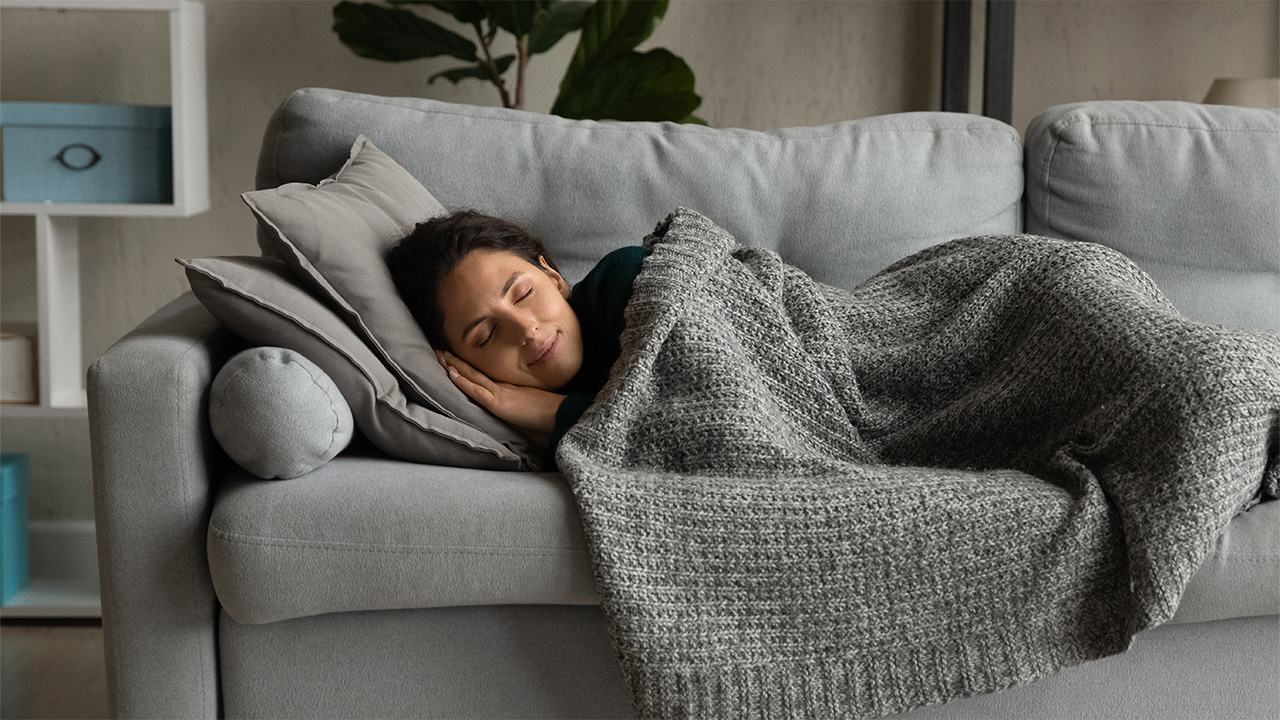
Is Napping a Good Idea When You Have Sleep Apnea?
When you have sleep apnea, repeated pauses in your breathing cause your brain to frequently pull your body out of the sleep cycle. As a result, you’re likely to feel far more tired than normal during the day. You may be tempted to take a quick nap to try and recharge your batteries, but is this really a good solution? Here’s what you need to know about napping while you’re struggling with sleep-disordered breathing.
Napping and Sleep Apnea
You may think that a nap can help you catch up on the slumber you’ve missed out on due to sleep apnea. Sadly, this is not the case. If you regularly fail to get enough sleep on a nightly basis, the result is a cumulative sleep debt that builds up over time. As a result, a nap simply won’t be enough to make up for all of the rest that your sleep disorder has deprived you of.
Furthermore, napping can indirectly make sleep apnea worse because it can disrupt your circadian rhythm. If you take a nap during the day, it won’t be as easy for your body to fall asleep at your actual bedtime, thus adding to the sleep problems that you’re already experiencing. Maintaining a consistent sleep schedule is essential if you want to get your sleep apnea under control.
What Should You Do About Sleep Apnea?
Napping may not be the best option when you have sleep apnea, but there are plenty of other steps you can take to address your sleep disorder and get the rest your body deserves:
· Seek Out Professional Treatment: Once your sleep apnea has been diagnosed, you should explore your options for having it professionally treated. In many cases, wearing a personalized oral appliance can go a long way toward improving your symptoms.
· Change the Position You Sleep In: In many cases, sleeping on your back can make sleep apnea more severe. You can train yourself to sleep on your side instead by attaching a tennis ball or a rolled-up sock to the back of your pajamas.
· Lose Weight: If you’re overweight, your sleep apnea could be linked to excessive fat deposits in your neck that are blocking your airway while you’re asleep. As such, losing weight could potentially make a difference.
There are other steps you can take that can improve the quality of your sleep. If you talk to your sleep dentist, they can give you an overview of what you should and shouldn’t do when you’re trying to manage your sleep apnea.
About the Author
Dr. Jonathan Held studied at the Creighton University School of Dentistry in Omaha, and he has completed more than 800 hours of continuing education in the field of sleep dentistry. He is currently the only Diplomate of the American Board of Dental Sleep Medicine in Northern Arizona. He is proud to be able to provide comfortable, reliable oral appliances to help patients in Prescott Valley, Sedona, Flagstaff, and Kingman overcome sleep-disordered breathing. If you think you need treatment for sleep apnea, you can schedule a visit with Dr. Held at Sleep Better Southwest by visiting his website or calling (928) 778-4555.