
Call Today (928) 778-4555

Now Accepting Medicare for Sleep Apnea Diagnosis & Treatment

Medicare logo

Central Sleep Apnea – Flagstaff

The Less Common Form of Sleep Apnea

In most situations, when discussing sleep apnea, the topic surrounds obstructive sleep apnea (OSA). This is because OSA is very common, affecting about 22 million Americans. However, many people aren’t aware that there is another type of sleep apnea: central sleep apnea (CSA). Read on to learn more about the condition, how it works, potential complications, and when to seek professional help.
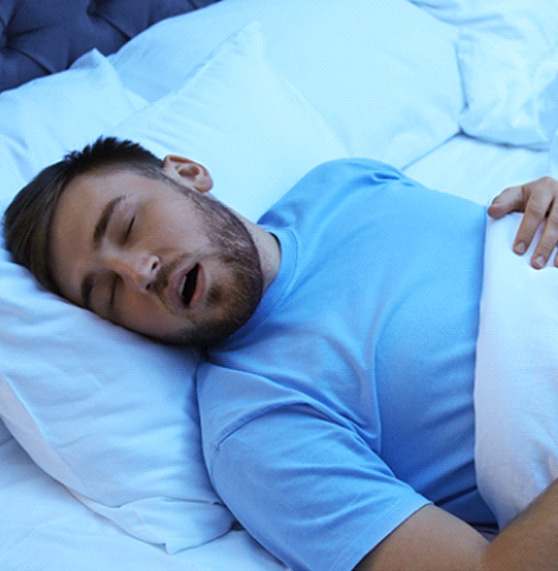

Man sleeping with his mouth open

What Is Central Sleep Apnea?

OSA and CSA are similar because they both consist of repetitive cessions in breathing throughout the night, so the patient experiences similar symptoms. However, the causes of these cessions are different. Obstructive sleep apnea happens when the tissues in the upper airway relax and “obstruct” the free flow of air. On the other hand, central sleep apnea is due to the brain not sending the correct signals to the muscles that regulate breathing during sleep.

Causes of Central Sleep Apnea

CSA has several different potential causes. Here are the most common ones:

· Cheyne-Stoke Breathing: This condition is apparent in about half of CSA cases. It is a cycle where a person’s breathing speeds up, slows down, stops, and restarts.

· Medications: Narcotic medications, like oxycodone and morphine, can affect your breathing patterns.

· High Altitude: Central sleep apnea is more common at higher altitudes, especially when you are above 8,000 feet.

· Medical Conditions: Medical conditions, like kidney failure, heart failure, and stroke, all increase your risk of CSA.

Overweight man sitting in bed

Possible Complications of Central Sleep Apnea

CSA is associated with many serious health risks. Here are some of the most prominent ones:

· Irregular heartbeat

· High blood pressure

· Obesity

· Diabetes

· Heart failure

· Heart attack

· Stroke

If you already have one of these conditions, developing CSA can worsen them.

Woman at a consultation

When Should You See a Sleep Dentist?

If you have concerns about your quality of sleep, or you are experiencing symptoms of sleep apnea, it is a good idea to schedule a visit with a sleep dentist. You can discuss your symptoms and see if next steps need to be taken, like a sleep test. If you are diagnosed with CSA, you can work with the doctor to find a treatment that works for you. Some patients see improvement by simply adjusting medications. Others benefit from oral appliance therapy. By seeking help from a professional, you can work to get the quality sleep you need to thrive!

Sleep Apnea (Central Sleep Apnea) FAQs

CSA affects about .9% of Americans over the age of 40. Both men and women can develop this condition, though it is slightly more common in men who are 65 or older. If you have a history of heart conditions or stroke, are taking narcotic medications, or live at a high altitude, you’re also at an increased risk for CSA.

There are two main types of CSA: hypoventilation and hyperventilation. The prefix hypo is usually associated with slowness, while hyper is usually associated with a fast pace. Patients with the hypoventilation subtype of CSA have trouble initiating breathing, due to their brain failing to send the proper signals to their respiratory muscles. Since CPAP machines help ensure you have consistent airflow throughout the night, they can be quite successful at managing the symptoms associated with this subtype. In cases of hyperventilation, breathing is deep and quick, though it’s still followed by intermittent pauses. This type of CSA has more to do with the brain being unable to regulate the pace and control of respiratory function. Once again, helping to make sure you have consistent access to oxygen through CPAP or an oral appliance can alleviate your symptoms.

Primarily with a sleep test. However, since CSA is associated with other health conditions, your doctor may also recommend other tests, such as a brain scan or echocardiogram. Ultimately, the goal of a central sleep apnea diagnosis in Flagstaff is to determine your breathing patterns, the underlying cause of your symptoms, and how your condition is affecting or being affected by other health concerns.

Central and obstructive sleep apnea might have different causes, but they are similar in that they result in irregular breathing during sleep. Just as CPAP, oral appliance therapy, or a combination of the two could effectively treat OSA, they can also effectively treat central sleep apnea in Flagstaff. It should be noted, however, that managing your CSA symptoms will likely also involve managing your medications or other health concerns. In some ways, CSA is more complex, so research into effective treatment solutions is still ongoing. For example, the FDA recently approved an implantable device that stimulates breathing-related muscles – basically meaning it specifically treats CSA. Contact our team, and we’ll thoroughly review your treatment options and sleep study results so we can help you determine the best possible solution for your symptoms!

More to Explore

Locations