


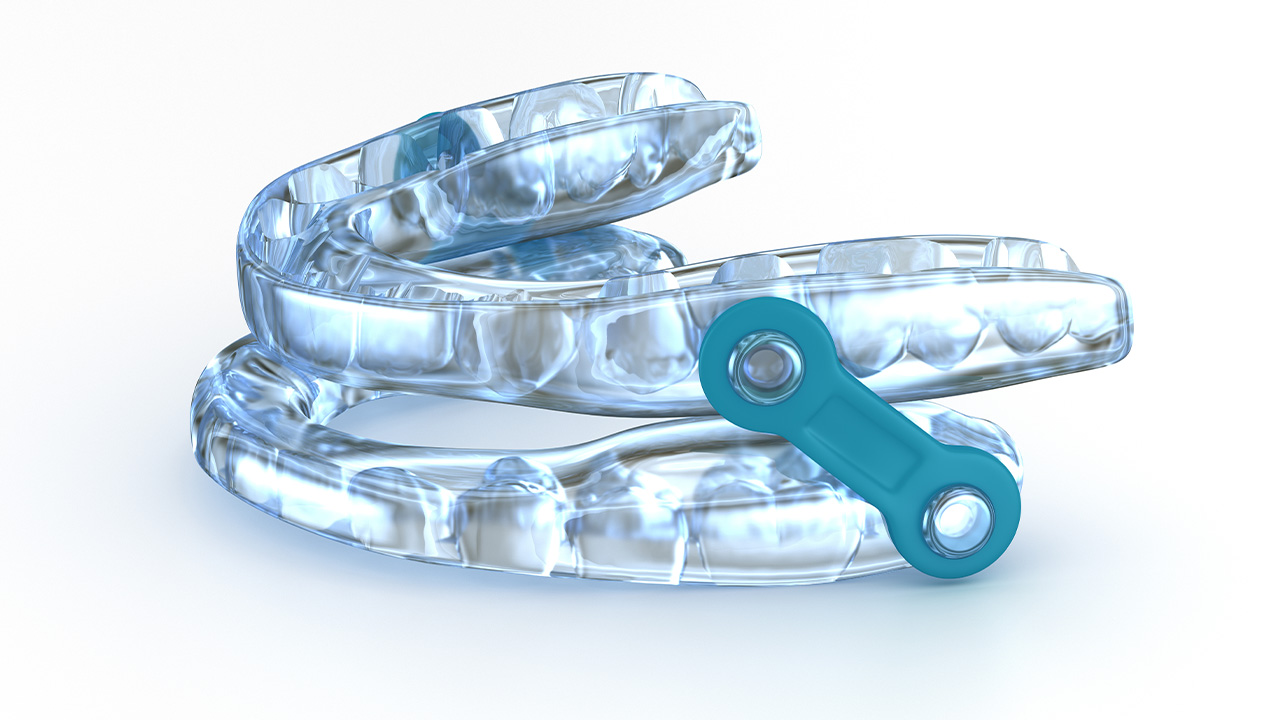
Your Guide to Getting Used to Oral Appliance Treatment for Sleep Apnea
Using a customized oral appliance can be a highly effective way to get your sleep apnea symptoms under control. However, when you first start wearing your appliance, it may take some getting used to. Naturally, you’ll want to adjust to your treatment as quickly as you can; the sooner you do, the sooner you can start enjoying a better night’s rest. To help you make the transition, here’s a closer look at what it’s like to wear an oral appliance and how you can help your body get used to it.
How Does an Oral Appliance for Sleep Apnea Work?
Most cases of sleep apnea are the result of an obstructed airway. When your airflow is blocked, it results in pauses in your breathing that can disrupt the sleep cycle, thus severely hindering your ability to get a good night’s rest. But if you wear an oral appliance at night, it can help you maintain an open airway while you’re asleep by moving your jaw slightly forward. This can reduce the frequency and severity of your sleep apnea episodes.
How Will Your Body React to a New Oral Appliance?
When you start using an oral appliance, your body will react in various ways. Here are a few of the challenges that you might experience:
· Discomfort: Your oral appliance may feel somewhat tight at first. This is actually a good sign, because it means the appliance is properly fitted and is unlikely to fall out. Nevertheless, it’s not unusual for a new appliance to feel unnatural and uncomfortable.
· Involuntary Removal: It’s not unheard of for some patients to remove their oral appliance while they’re asleep when they first begin the treatment.
· Possible Gagging: Do you have an unusually strong gag reflex? If so, there’s a good chance that your oral appliance might trigger it.
· Excessive Drooling: When there’s a foreign object in your mouth, your body will initially assume that it’s food and will begin producing extra saliva in response. As such, when you begin wearing an oral appliance, you may find yourself drooling more than usual.
How Can You Adjust to Your Oral Appliance?
Fortunately, adjusting to your oral appliance is a simple process; all you need to do is keep wearing it every night. As your brain gets used to the presence of the appliance, your discomfort should fade, and your saliva production should return to normal. You can also expect involuntary nighttime removals to stop as well.
If you have a strong gag reflex, it may take a little more effort to adjust to your appliance. One approach that might help is to wear it multiple times throughout the day while focusing on staying relaxed.
In some cases, you may feel like you’re not getting used to your appliance no matter how much time passes. If this happens, talk to your sleep dentist; they might need to make a few adjustments to your appliance or replace it altogether.
As strange as it may initially feel to wear an oral appliance, adjusting it is simply a matter of time and practice. As long as you stick to the treatment, you can look forward to enjoying more restful nights again.
About the Practice
At Sleep Better Southwest, our team is dedicated to helping patients in areas throughout Northern Arizona (including Prescott Valley, Sedona, and Flagstaff) improve the quality of their sleep. Led by Dr. Jonathan Held, we provide personalized oral appliances to help manage sleep-disordered breathing. Are you looking for a solution to sleep apnea so that you can enjoy more restful nights? Visit our website or call (928) 227-3024 to schedule an appointment with us today.