
Call Today (928) 778-4555

Now Accepting Medicare for Sleep Apnea Diagnosis & Treatment

Medicare logo

Risk Factors for Sleep Apnea – Flagstaff, AZ

Understanding Your Risk Factors for Sleep Apnea

Although sleep apnea can affect people of any age, weight, or gender, there are many risk factors that can increase your odds of developing this condition. Understanding these factors and how they relate to you can help you lower your risk of developing sleep apnea and better explain why you may already be affected. To learn more about these risk factors, and how they could increase your chances of sleep apnea, please keep reading. To schedule a consultation for sleep apnea treatment, contact us today.


A man celebrating turning 65 years old

Age

Although it can affect people of any age, your risk for sleep apnea increases dramatically as you get older. In fact, while most adults aged 30 to 49 have just a 10 percent risk of developing this condition, this number skyrockets to over 50 percent in those who are 65 or older.

Male and female gender symbols

Gender

Sleep apnea can affect both men and women but has a higher risk of affecting men. In fact, men are two to eight times more likely to develop sleep apnea than women. It also affects about 24 percent of the male population, as compared to just 9 percent of women.

For women, sleep apnea can often be misdiagnosed due to milder symptoms such as fatigue, insomnia and depression.

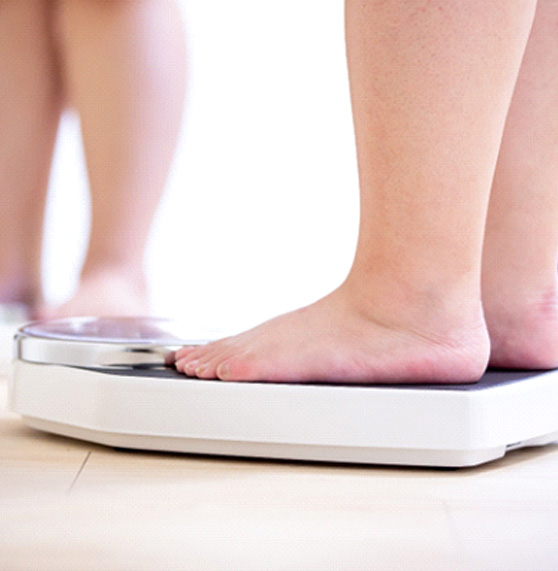
A person standing on a scale

Obesity

Being obese or overweight is the leading risk factor for obstructive sleep apnea (OSA). Alarmingly, just a 10 percent weight increase can result in a sixfold higher risk in developing this condition. This is because excess fat (especially around the abdomen and neck) can apply pressure to and narrow the airway, leading to its collapse during sleep. Research shows that between 60 and 90 percent of adults with OSA have a body mass index (BMI) of over 25.

A man smoking a cigarette

Smoking

People who smoke are at an increased risk of developing OSA, and smoking worsens the severity of symptoms of those who do have it. That’s because smoking can cause inflammation, swelling and fluid retention in the upper airway. In fact, smokers are 2.5 to 4.4 times more likely to suffer from moderate to severe OSA as compared to those who don’t smoke, because nicotine can increase the risk of airway collapse and disrupt your overall sleep quality.

A mother and her adult daughter

Heading

Finally, genetics can often play a role in sleep apnea. An estimated 35 to 40 percent of cases may be hereditary. Studies have even found that if you have a closely related family member with OSA, your own risk of developing it is around 50 percent.

More to Explore

Locations