


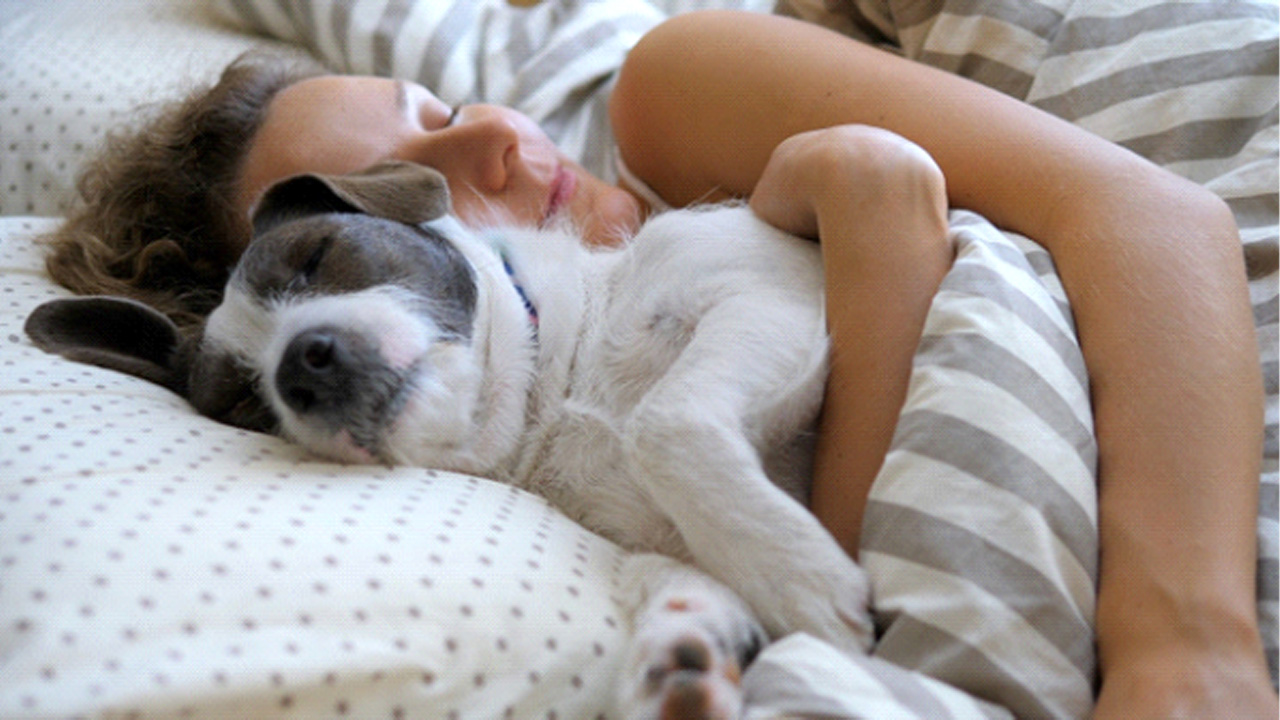
Is Sleeping with Your Pet a Good Idea if You Have Sleep Apnea?
Is your pet a treasured member of your family? You may even choose to invite it into your bedroom at night so you can sleep in the same bed. While that can certainly be cozy, doing so might have unexpected effects on the quality of your sleep, especially if you have sleep apnea! What should you keep in mind as you are deciding whether to sleep with your pet? This blog post shares some helpful information.
Benefits of Sleeping with a Pet
Co-sleeping with a beloved dog or cat is a popular practice, and for good reason! It might benefit you in a few ways:
- Your pet can provide warmth and a calming presence, which may help you relax before sleep.
- Some studies suggest that having a pet nearby can reduce feelings of loneliness and even lower blood pressure.
- The companionship of a pet can create a soothing bedtime routine that signals to your body that it is time to wind down.
- Your pet may help you stay consistent with your sleep schedule. Pets often develop their own routines and can remind you when it is time to go to bed.
Downsides of Sleeping with a Pet
Despite the above-mentioned benefits, sleeping with a pet may not be ideal if you have sleep apnea. Some downsides that you might experience include:
· Pets can be restless during the night, which may interrupt your sleep cycle and make it harder for you to reach deeper stages of rest. If your pet moves around, snores, or needs to go outside, you could wake up multiple times.
- Allergies can worsen due to pet dander in your bedding, potentially making your sleep apnea symptoms more pronounced.
- Pets may unintentionally occupy valuable space in your bed, causing you to sleep in awkward positions that could restrict your breathing.
- Frequent awakenings caused by your pet could reduce the effectiveness of any therapy you use for sleep apnea.
- A pet might accidentally get tangled in the hoses and wires connected to a CPAP machine.
Tips for Maximizing Sleep Quality as a Pet Owner
If you would like to keep your pet nearby but want to protect your sleep quality, you can take practical steps to minimize disruptions. These tips might help:
· Consider establishing boundaries for where your pet can sleep in your bedroom. You might place a comfortable pet bed near your own bed to maintain closeness without sharing the same sleeping space.
- Keep your bedding and bedroom clean to reduce allergens and dander.
- Maintain a consistent bedtime routine for both you and your pet.
- Address any behavioral issues, such as nighttime restlessness or barking, through training and positive reinforcement.
- If your situation allows, consider using an oral appliance from a dentist instead of a CPAP machine. Oral appliances do not have any wires or hoses that could spell trouble!
Whether or not you share a bed with your pet is a personal choice. Whatever you decide, be sure to continue prioritizing your sleep quality!
Meet the Practice
Dr. Jonathan Held is the only Diplomate of the American Board of Dental Sleep Medicine in Northern Arizona. He has completed hundreds of hours of continuing education, most of which has been focused on dental sleep medicine. If you are struggling to manage your sleep apnea, Dr. Held and our team would be pleased to consult with you at one of our offices, which are conveniently located in Sedona, Flagstaff, Kingman, and Prescott Valley (928-778-4555.)