


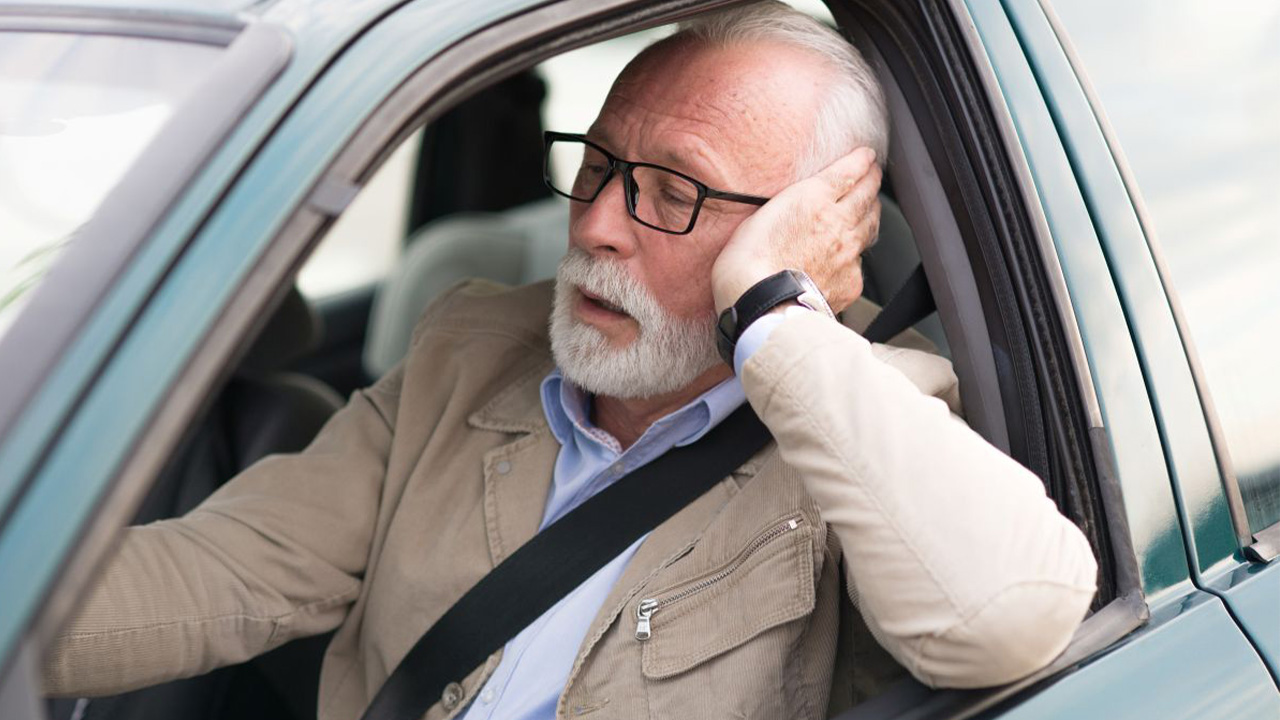
Proceed With Caution: Pumping the Brakes on Drowsy Driving
In recent years, the phrase “asleep behind the wheel” has become synonymous with not paying attention, but unfortunately, it’s more than just a cute metaphor. In fact, according to recent data from the AAA Foundation for Traffic Safety, drowsiness is a factor in 21 percent of fatal automobile accidents each year, and studies have shown that just 24 hours of sleep deprivation has a similar effect on the body as driving with a blood alcohol content (BAC) of 0.10%! To put that in perspective, a BAC of 0.08% is frequently the legal limit for driving in many communities!
If you’re struggling to get a good night’s sleep due to sleep apnea, that deprivation could put you at risk for drowsy driving. Here’s a closer look at this disorder, and how you can get the rest you need to stay safe on the roads and beyond.
What is Sleep Apnea?
There are several different types of sleep apnea: obstructive (caused by an obstruction to the airway), central (caused by improper signaling by the brain to breathe while sleeping), and combined (a mixture of both). In many cases, the affected person will wake repeatedly throughout the night in episodes known as apneas, which can occur 30 or more times an hour in severe cases. Worse yet, because most people aren’t aware they’re experiencing them, they not only don’t seek help for them, but they also don’t realize they haven’t really gotten a proper night’s sleep!
Warning Signs of Sleep Apnea
Although different people will exhibit different symptoms with sleep apnea, it’s important to be aware of these warning signs and speak to your sleep dentist if you or your sleep partner experience them:
· Choking or gasping for air during sleep.
· Snoring.
· Increased feelings of depression, sadness, or anxiety.
· Feeling lethargic or sluggish during the day, despite “sleeping” for a full night.
· Frequently waking up throughout the night.
· Cognitive impairment.
Additionally, sleep apnea can cause a dangerous drop in your blood oxygen, exacerbating symptoms of certain medical conditions like diabetes, high blood pressure, and cardiovascular disease.
Roadside Assistance: How Your Sleep Dentist Can Help
Often, when people are diagnosed with sleep apnea, they are given a CPAP (continuous positive airway pressure) machine as a default. However, while CPAP can be extremely effective when used as directed, many people find it uncomfortable and don’t properly comply with treatment, rendering it useless.
The good news for those who don’t like CPAP is that your sleep dentist has an alternative that could be the key to getting the rest you deserve. Oral sleep appliances are custom made to fit your mouth, so they’re always comfortable, and because they manually prop the airway open by repositioning your jaw, they require no mask, tubes, electronics, or forced air to get results.
To learn more about oral appliance therapy and to see if you qualify for this incredible CPAP alternative, schedule a consultation for sleep apnea treatment with your sleep dentist today!
About Dr. Held
As a sleep apnea sufferer himself, Dr. Jonathan Held understands the frustration of living with a sleep disorder and has made it his mission to help show patients there’s a better way. If you’re suffering from the debilitating symptoms of sleep apnea, stop losing sleep over losing sleep! Schedule a consultation with Sleep Better Southwest today and start getting the healthy, restorative sleep you deserve so you can have better nights and days! To book your appointment, visit our website or call 928-227-3024 in Sedona.